Pawrade folks were very professional. Communication was clear and prompt. We are very pleased with our Yorkiepoo puppy.

Susan J. - Hixson, TN


 F1 Mini
 F1B Mini
Health Guarantee
The health of your new puppy is our primary concern, read more about our Health Guarantee.
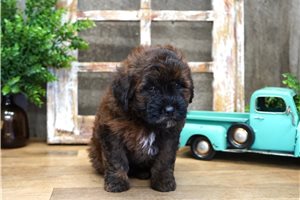 F1B
F1B
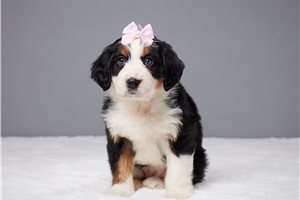 F1
F1
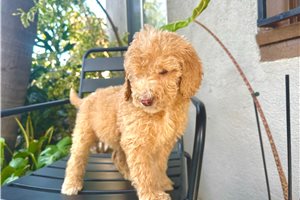 F2B
F2B


Only with Pawrade, you receive a pet insurance policy with no waiting period included for immediate accident or illness coverage.
*NY, SC residents excluded
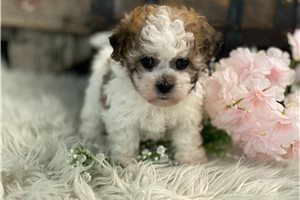 F1
F1
 F1BB
F1BB
 Mini
Mini

A special thanks to everyone that has played a part in making our dreams come true!! Shade is a beautiful addition to our family!
 F1 Mini

 F1B Mini
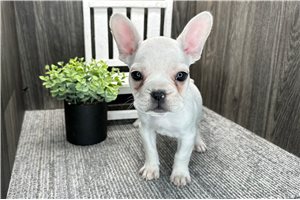
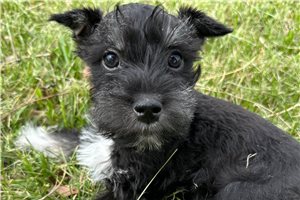
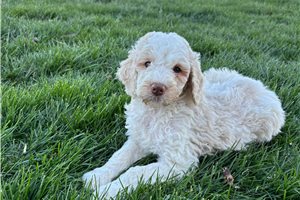
Pawrade connects pawsome people like you with happy, healthy puppies from our respected, prominent breeder relationships we've established over the last 15 years. Join our community of paw lovers across the U.S. from New York City, Washington DC, and Miami to Chicago and Dallas onwards to Los Angeles and San Francisco.
Adopting a puppy is one of the great joys of life. A puppies' sale gives you the opportunity to give a dog a wonderful life. You are helping to provide them with the loving forever home they deserve.
At Pawrade, we are proud to provide dogs of any size the chance to become a companion and cuddle buddies all in one. You are also taking a stance against commercial puppy mills. Welcome a new addition to your family and let your heart melt with a new fluffy friend who will always love you unconditionally.
Before looking up any puppy sale or thinking about breeds, you need to consider whether you have the time to care for your new friend. Every dog has its own personality, preferences, and needs. Examining whether you can provide cute puppies for sale with the life they deserve is crucial before committing to being the forever home of a new pup.
Size matters when adopting a dog. It's not about whether you've dreamed of having a tiny Maltese sitting in your lap or a giant German Shepherd bolting across the park. You need to think about what size dog you can accommodate.
Big dogs are obviously not suited to apartment living. Large dogs also require substantial outdoor space to roam around.
You also have to consider how the size of any dog for sale will impact your family. For example, some larger dogs may not be a good idea if you've recently welcomed a child into the family.
Every breed has its quirks. Some breeds require considerable time and attention, such as the Border Collie. Others, such as the Golden Retriever, are prone to health problems that could reduce their average lifespan.
You also need to consider what you want from a dog for sale. Some people prefer to have a little Schnauzer curled up in their laps, whereas others want a breed that can join them on their morning runs.
Moreover, some people suffer from allergies, which will immediately discount puppies that shed a lot. In this case, you would want to look at hypoallergenic dogs, such as the standard, miniature, or toy Poodle.
Remember, no dog is 100% hypoallergenic, but some are more so than others.
The disposition of your pup is also crucial because not every dog is suitable for inexperienced owners.
Some dogs can be challenging to train, such as the Beagle, due to the fact they struggle with staying focused.
Other dogs bred for guard duty may also have a slightly aggressive disposition that must be tamed early to avoid running into socialization issues later.
If you already have children in the house or you're in a multi-pet household, you will need to consider how well your pup is likely to get along with the younger furry members of your home.
No dog is born a bad dog, but some are more susceptible to behavioral issues than others if they are not given the time and attention they deserve.
What makes a puppy a joy is their love and attention. However, love and attention work both ways. All dogs require your focus. Your lifestyle needs to match up with the energy levels of your dog.
For example, you may have a little Shih Tzu or Pomeranian that only needs to be taken for short walks because of their little legs, but others may need more than an hour of intense exercise daily.
You need to be willing to exercise your best friend in all weathers. If you work long hours, some dogs will not be suitable because they need extra care. Not all dogs are content with just a simple walk around the block, no matter how often you do it. Working dogs usually need to have space to roam free.
Playing catch or fetch is not only a fun way to spend an hour or two. With certain dogs, it's a daily necessity.
If you're searching for "puppies near me," consider their grooming needs. Some dogs don't require the services of a professional groomer, but the curly locks of the Aussiedoodle or Goldendoodle can quickly become tangled and matted without regular hair care.
For example, the Goldendoodle will usually require brushing two to three times a week, with a visit to the groomer every couple of months.
Do you have the time to groom your dog properly? The Retriever can quickly develop a fishy odor if they're not regularly groomed. You also have to consider professional grooming costs, which can soon add up over a year.
When looking up "dogs for sale near me," check out their grooming requirements to keep your pup feeling soft and looking fabulous.
Nobody wants to think about the health issues puppies could develop as they get older. These problems can take years off their lives and quickly drain your wallet in visits to the veterinarian.
Familiarize yourself with a breed's health issues and consider how likely those problems are to surface. Bigger dogs like the German Shepherd and the Golden Retriever are well-known for their issues with hip dysplasia and cancer, whereas the Beagle tends to develop epilepsy.
Always plan for the worst, and make sure you take out a comprehensive pet insurance policy to cover those major medical expenses.
Enlisting the support of a professional trainer is an excellent idea if you have limited experience with dogs. Adopting a puppy allows you to get more out of your training because older untrained dogs tend to be more stubborn and may struggle to learn new commands.
Training can vary wildly between breeds, like other considerations of adopting or buying puppies for sale
For example, Scent Hounds are often challenging to train because they tend to forget their training whenever they detect a new smell on the horizon. The dignified Afghan Hound is exceptionally loyal and affectionate, but this classy dog also tends to be named as one of the most naturally disobedient dogs.
Many owners become frustrated when their training methods fail, which can lead to problems in the relationship. Think about your training experience and whether you can really provide the training a dog needs.
Working out the financing on your new family member does not stop with the initial price or buying toys and the dog bed. Think about the ongoing costs of food and the potential for veterinarian bills. Does your dog already have all its shots? Are there any existing health problems you need to know? When you purchase a puppy through Pawrade, all of this information is conveyed to you.
Dogs for sale are more expensive than people think. Sadly, many of these animals find themselves in shelters because their owners can no longer afford to look after them. In these tough economic times, it is something that is happening more and more often.
We love to bring together loving doggies and families ready to welcome a new member into the family. Searching for "puppies for sale near me" can be overwhelming, which is why the Pawrade online marketplace makes it easy to search for different breeds and get all the information you need in one place.
At Pawrade, we only feature ethically sourced pups so that you know you are not giving your money to a puppy mill.
If you're ready to start searching for puppies for sale, make Pawrade your number one source and find your perfect puppy.
We understand just how difficult it is to find a legitimate breeder, so we've put our experience and expertise to work for you.
Why wait any longer? Browse through our vast selection of puppies for sale from a safe and reputable source.
We have zero tolerance toward puppy mills and pride ourselves in connecting you with honest and reputable breeders where puppies are raised with love and compassion.
Learn MoreAs fellow puppy owners, we know the importance of having a happy and healthy puppy. Every puppy is backed by our comprehensive health guarantee.
Learn MorePawrade guarantees you with 100% certainty that you will NOT be scammed using our services.
Learn MoreDiscover what real customers have to say about Pawrade! Check out our glowing testimonials.
Pawrade folks were very professional. Communication was clear and prompt. We are very pleased with our Yorkiepoo puppy.
Can't get better the process was so easy the communication was perfect everyone take care about the puppy and us the buyers Kelly hall amazing person
If I could give 10 stars I would!! He's the best pup, my best friend & love bug! 😊 I would absolutely recommend pawrade!
Pawrade was excellent and we had constant communication. Sweetest puppy ever! Highly recommend them!
We are so happy to have her. She is a empty place in our hearts that are know filled.
AMAZING experience and polished process. Absolutely flawless. Well done to a clearly experienced and invested team of caring professionals.